
Anti Anxiety
Finding Relief: How Anti-Anxiety Medicine Can Help Manage Stress
In today’s fast-paced world, stress and anxiety seem to have become inevitable companions for many people. Whether it’s due to work pressures, personal challenges, or the constant barrage of information, stress can take a toll on our mental and physical well-being. Fortunately, there are ways to manage and alleviate these overwhelming feelings, and one effective tool in the arsenal is anti-anxiety medicine.
By targeting the neurotransmitters in our brains responsible for anxiety, these medications can help restore a sense of calm and balance. Whether it’s a short-term solution during particularly stressful periods or a long-term part of a comprehensive treatment plan, anti-anxiety medicine can provide much-needed relief.
However, it’s important to note that finding the right medication and dosage for each individual is key, as everyone’s experiences and needs are different. Working closely with a healthcare professional is crucial in ensuring safe and effective use of these medications.
This article dives into the world of anti-anxiety medicine, exploring different types, their modes of action, potential side effects, and how they can be incorporated into a holistic approach to managing stress and anxiety. Let’s find relief together.
Understanding anxiety and stress
Anxiety and stress are natural responses to challenging situations, but when they become overwhelming and interfere with daily life, it’s important to seek help. Anxiety disorders can manifest in various ways, including generalized anxiety disorder (GAD), panic disorder, social anxiety disorder, and specific phobias. These conditions can cause persistent worry, panic attacks, avoidance behaviors, and a range of physical symptoms such as rapid heartbeat, sweating, and difficulty breathing.
The role of medication in managing anxiety
While therapy, lifestyle changes, and self-help techniques are often the first line of defense against anxiety, medication can be a valuable tool in the management of anxiety disorders. Anti-anxiety medications work by targeting the brain’s neurotransmitters, such as serotonin, norepinephrine, and gamma-aminobutyric acid (GABA). By modulating the levels of these neurotransmitters, medication can help reduce the intensity of anxiety symptoms and restore a sense of calm.
Types of anti-anxiety medicine
There are several types of anti-anxiety medicine available, each with its unique mechanism of action and benefits. Benzodiazepines are a commonly prescribed class of medication that work by enhancing the effects of GABA, a neurotransmitter that calms the brain. They can provide rapid relief from acute anxiety but are generally not recommended for long-term use due to the potential for dependence and tolerance.
Selective serotonin reuptake inhibitors (SSRIs) are another group of medications commonly used to treat anxiety disorders. These medications work by increasing the levels of serotonin in the brain, which helps regulate mood. SSRIs are generally considered safe and effective for long-term use, with fewer side effects compared to benzodiazepines.
Common side effects and precautions
Like any medication, anti-anxiety medicine can have side effects. Common side effects of benzodiazepines include drowsiness, dizziness, and difficulty concentrating. They can also cause dependence and withdrawal symptoms if used for an extended period. SSRIs, on the other hand, may cause gastrointestinal disturbances, sexual dysfunction, and initial worsening of anxiety symptoms before improvement is seen.
It’s important to discuss potential side effects and precautions with your healthcare professional before starting any medication. They can help you weigh the benefits and risks and determine the most suitable treatment option for your specific needs.
How to talk to your doctor about anti-anxiety medicine
When considering anti-anxiety medicine, it’s essential to have an open and honest conversation with your healthcare provider. Be prepared to discuss your symptoms, medical history, and any other medications or supplements you are currently taking. Your doctor will evaluate your condition and help you make an informed decision about the best course of treatment. They may also recommend therapy or lifestyle changes in conjunction with medication for a comprehensive approach to managing anxiety.
Combining medication with therapy and lifestyle changes
While medication can provide significant relief from anxiety symptoms, it’s important to remember that it’s only one piece of the puzzle. Therapy, such as cognitive-behavioral therapy (CBT), can help identify and change negative thought patterns and behaviors that contribute to anxiety. Lifestyle changes, such as regular exercise, stress management techniques, and a healthy diet, can also play a crucial role in managing anxiety.
Finding the right anti anxiety medicine list for you
Finding the right anti-anxiety medicine is a process that requires patience and collaboration with your healthcare provider. It may take some trial and error to find the medication and dosage that works best for you. Keep in mind that what works for one person may not work for another, so it’s important to stay open and communicative with your doctor throughout the treatment process.
Popular anti anxiety medicine list and their benefits
There are several popular anti-anxiety medications available, each with its unique benefits. For example, Xanax (alprazolam) is a fast-acting benzodiazepine that provides rapid relief from acute anxiety symptoms. Prozac (fluoxetine), an SSRI, is known for its effectiveness in treating various anxiety disorders. Other medications, such as Ativan (lorazepam), Zoloft (sertraline), and Lexapro (escitalopram), are also commonly prescribed for anxiety management.
Alternative options for managing stress and anxiety
While medication can be effective in managing anxiety, it’s not the only option available. Many people find relief through alternative therapies such as mindfulness meditation, yoga, acupuncture, and herbal supplements. These approaches can complement traditional treatment methods and provide additional support in managing stress and anxiety. However, it’s important to consult with a healthcare professional before incorporating any alternative therapies into your treatment plan.
Conclusion: Taking control of your mental health
Stress and anxiety may feel overwhelming, but with the right tools and support, relief is possible. Anti-anxiety medicine can be an effective tool in managing anxiety disorders, providing much-needed relief and restoring a sense of calm. However, it’s important to remember that medication is just one part of a comprehensive treatment plan. Combining medication with therapy, lifestyle changes, and alternative therapies can help you take control of your mental health and lead a more balanced, fulfilling life. Remember to always consult with a healthcare professional to find the best approach for your individual needs. Let’s work together to find relief and improve our well-being.
—
This blog article is a comprehensive guide to understanding and utilizing anti-anxiety medicine as a tool for managing stress and anxiety. It covers topics such as the role of medication, types of anti-anxiety medicine, common side effects and precautions, and alternative options for managing stress and anxiety. With a focus on providing valuable information and promoting open communication with healthcare professionals, this article aims to empower readers to take control of their mental health and find relief from the burdens of anxiety.
- Minimum quantity should 30 of "Rivotril 2mg (Clonazepam)"
Showing all 6 resultsSorted by popularity
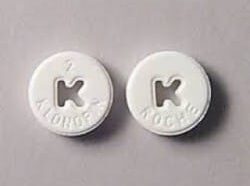
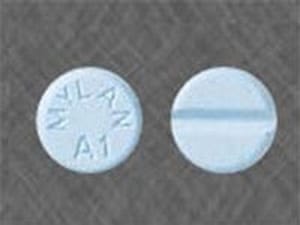 Anti Anxiety
Xanax (Alprazolam)
$5.00 Select options This product has multiple variants. The options may be chosen on the product page
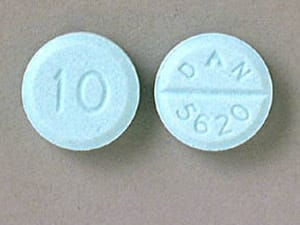
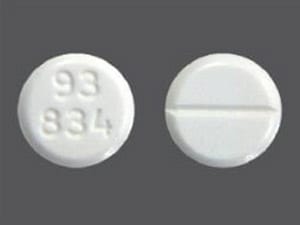
 Anti Anxiety
Ativan (Lorazepam)
Price range: $4.80 through $5.00 Select options This product has multiple variants. The options may be chosen on the product page